

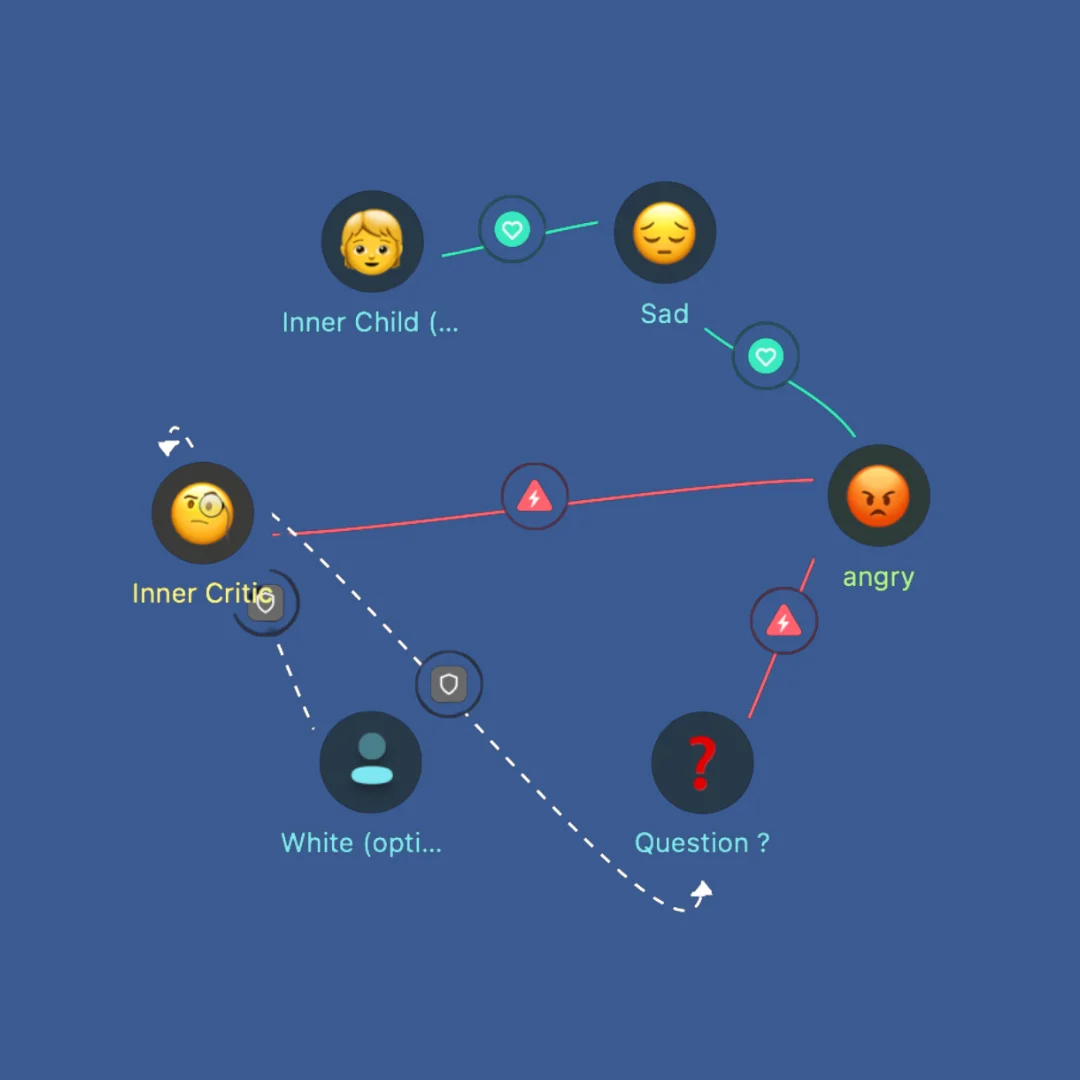





Last updated July 19, 2026
Discovering My IFS Positivity Part
This personal sharing about an IFS Positivity Part is for people who already have some experience with Internal Family Systems and are curious about what happens when a “positive” quality turns out to be a protective Part.
Warning: If you don’t practice Internal Family Systems (IFS), this article may not make any sense to you.
The problem I was sitting with: my positivity felt so familiar that I assumed it was simply “me.” What I left with was a softer understanding of the Part behind it, the sadness it had been protecting me from, and a clearer way to stay with all of my inner experience. If you want a broader primer on this kind of protective role, this guide to what protectors are in IFS may help.

- Trying to get rid of the Positivity Part because it is “not Self.”
- Forcing sadness to come forward before the protector feels respected.
- Assuming positivity is fake, instead of asking what role it has been carrying.
- Moving too quickly into analysis instead of staying present with the Part’s fear.
Common Mistakes When Working With a Positive Protector
- “I see how hard you work to keep things light.”
- “What are you afraid would happen if I felt sadness right now?”
- “You don’t have to stop being joyful. I only want to understand you better.”
- “Would it be okay to give the sad Part a little attention while you stay nearby?”
- “I’m not here to replace you. I’m here to help everyone feel safer.”
Here are a few gentle phrases that may help if you notice a Part that needs you to stay cheerful, optimistic, or emotionally “above” pain. They can also be useful when exploring common Protector fears with more patience.
Phrases and Mini-Dialogues to Try
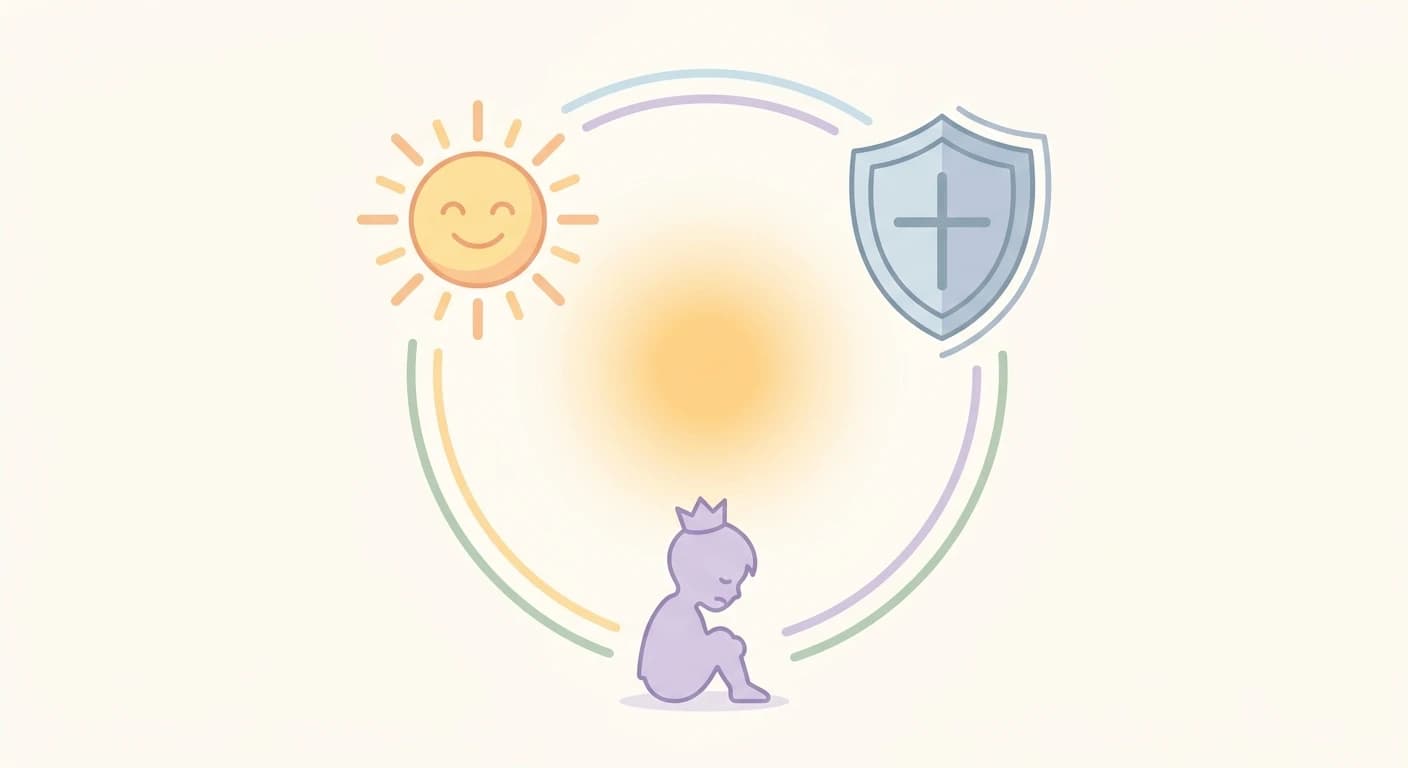
- Notice the positive energy without assuming it is your whole Self.
- Ask whether it feels like a Part with a role, a job, or a fear.
- Thank it for trying to help before asking it to soften or give you space.
- Listen for what it is afraid would happen if it stopped being positive.
- Check whether another Part, often sadness or fear, has been pushed away.
- Offer reassurance that no Part needs to be exiled, punished, or forced to disappear.
Before the personal story begins, here is a simple way to follow along if a similar Part shows up in you. Move slowly, and pause if anything feels overwhelming. If you want more structure, the IFS 6 F’s can offer a helpful step-by-step frame.
How to Explore an IFS Positivity Part in Your Own System
If you recognize a Part that always tries to stay upbeat, this post can help you slow down, unblend from it, and ask what it is afraid would happen if it stopped working so hard. It may also reveal a hidden sadness or an <a href="/ifs-blog/what-are-exiles-in-ifs">exiled Part</a> that needs care.
— What you’ll take away
Listening to What My Positivity Part Needed
I hear:
“I need to be positive, joyful, and happy; otherwise, sadness and fear will take over you.”
I thanked my “thinking part” for being with me and asked it to give us some space, so I could get to know this part better.
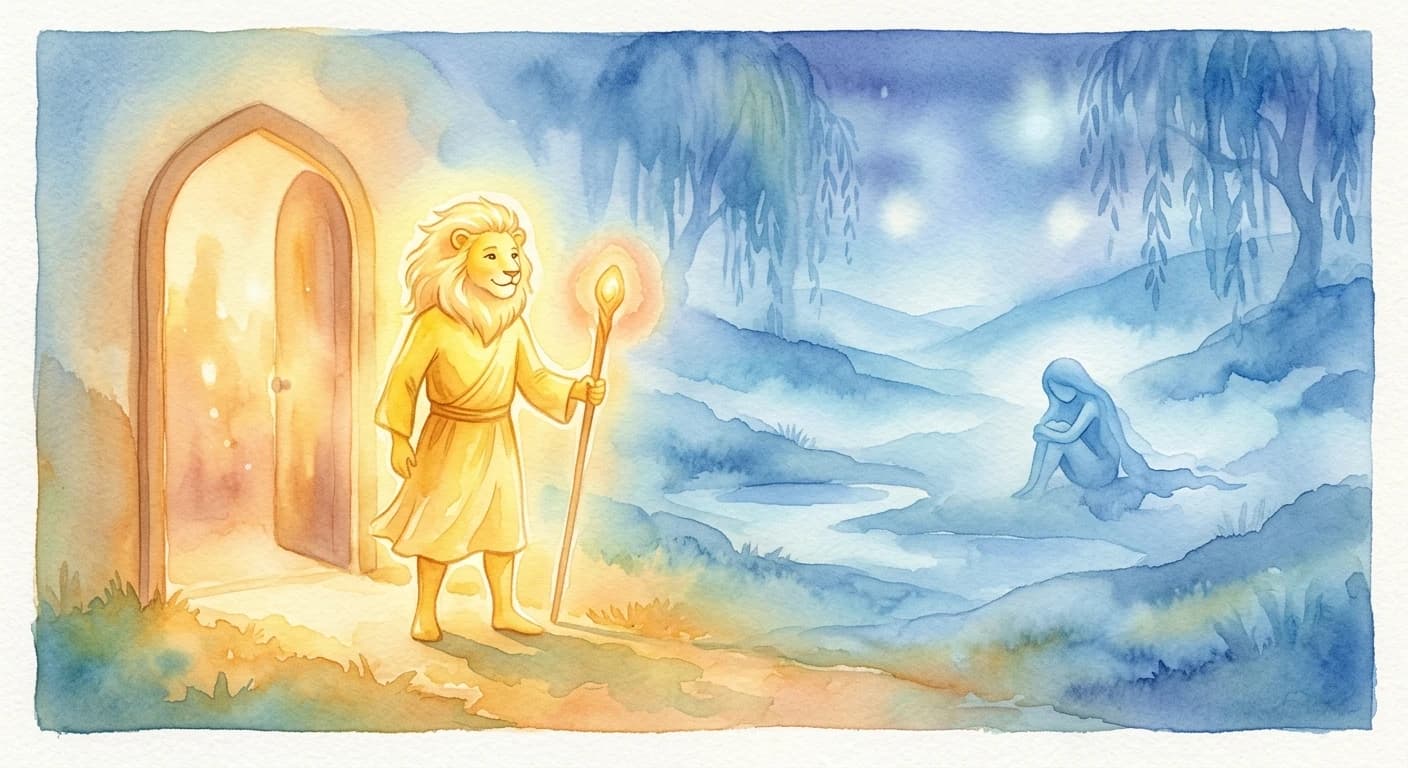
I could feel a part of me that was very sad. It felt like this part had been imprisoned by the Positivity Part for a long time, and it was just having someone hear it out for the first time.
Tears Came When I Noticed the Part
The part was begging me for help, like a prisoner who was trapped in a deep hole for a very, very, very long time. It was trembling. It was desperate. It was begging for help.
I let it know that I saw it now, that I heard it. I promised it wouldn’t be imprisoned anymore.
I brought it out of the hole, gave it a hug, and offered it water and a blanket. It seemed exiled by the “benevolent queen.”
This part felt like a distant relative—a young prince—who had been exiled for his pain and misery. I stayed with him, offering comfort and attention.

What About Other Parts in My Internal System?
Other parts in my system started to panic:
“What if the benevolent queen finds out that you’ve saved him?” 😨
Other parts in my system started to panic:
“What if the benevolent queen finds out that you’ve saved him?”
I asked the exiled prince if he was okay being on his own for a little while as I spoke to the queen. He warned me about her power and her “benevolent animosity” toward unwanted feelings.
I reassured him:
“I won’t let any part imprison another. I am the king of this kingdom.”
Feeling more assured, he allowed me to visit the queen.
Meeting the Benevolent Queen
When I saw her, she was smiling, but her joy didn’t feel deep. I sensed fear in her—a fear of being exposed.
A part of me—the knight—wanted to bring her to justice. It was angry about how she had treated the young prince. I turned to my knight and said:
- “I see you. I feel your anger and pain. I understand the injustice you feel.”
I held the knight with care, letting it know that the queen was also family and that I wanted to understand her better.
Understanding the Queen’s Loyal Servant
As I approached the queen, I noticed a part of her—a loyal servant—who seemed to be hiding something. I acknowledged this part:
- “Hi there. I see you and acknowledge you. What is your role?”
- “To protect the queen.”
- “And why do you do this role?”
- “If the queen falls, the kingdom falls. The kingdom is held by the queen.”
I thanked the servant for its hard work and dedication. 💪 I assured it that I appreciated its loyalty.
The Loyal Servant’s Revelation
The servant shared its fear: “If I don’t protect the queen, the kingdom will be ruled by constantly changing moods and emotions.”
When I asked if this had ever happened before, it admitted:
“Maybe long, long ago. I’ve only heard stories, but I’ve worked tirelessly to prevent it.”
I responded:
“Thank you for your incredible dedication to protecting the kingdom. Your loyalty is exemplary, and I celebrate your existence.”
The servant expressed relief, saying it had long worked in secrecy and yearned for freedom. It wanted to mingle with the citizens and simply be.
Unburdening the Loyal Servant
As we talked further, the servant realized it didn’t need to protect the queen anymore. With tears in its eyes, it said:
“Does that mean I get to be one of the citizens now? What about everything I’ve done in the past? Will I be punished?”
I reassured it:
“Everything you’ve done was with the best of intentions. You won’t be punished; instead, we will celebrate your loyalty. Would you like to choose a new role?”
The servant decided to become “The Listener”—a wise presence who would hold space for the community’s pain and joy.

A Ceremony of Transformation
We held a grand ceremony. All the parts gathered around a large fire as the servant symbolically threw its uniform into the flames. The uniform, which represented the belief that “the ends justify the means,” no longer served it.
The servant declared:
“Love and presence create harmony. I am honored to join the community as The Listener.”
Tears flowed as the community embraced the servant. Even the young prince stepped forward, offering a hug.
The Queen’s Transformation
The queen, now freed from the pressures of control, transformed into a joyful child. She danced and sang around the fire, radiating love and happiness.
Conclusion: A Kingdom United

Looking around, I saw a harmonious community—one family, one team, one kingdom. We were one and many at the same time.
Later, I checked in on The Listener. It had become an old, wise man, deeply loved by all the community. He held space for everyone’s pain and joy, and in turn, everyone loved him back.
Continue Exploring Your IFS Positivity Part
Bottom line: I am interested in exploring my inner world more deeply. If you want guided support between reflections, the IFS Guide App can help you check in with Parts, map inner relationships, and explore gentle AI-guided IFS sessions at your own pace.
FAQs About Discovering a Positivity Part
No. In IFS, discovering that positivity is connected to a Part does not make it fake or bad. It simply means that some of your upbeat energy may also have a protective job.
Usually, no. It is more helpful to thank it, get curious about its fears, and let it know you are not trying to remove it from the system.
That can happen. Move slowly, stay grounded, and let both Parts know you are there with them. If the sadness feels too intense, pause and consider working with a trained IFS practitioner.
You may be blended if you feel pressure to stay cheerful, fix others’ pain, avoid sadness, or prove that everything is okay. Unblending often begins with simply noticing, “A Part of me needs to stay positive right now.”
Yes. When a positive protector no longer has to suppress pain or fear, its natural joy can often become freer, softer, and less pressured.